

-
CHINAPLAS 2026: Asia Reshaping the Global Extrusion Blow Moulding Landscape
CHINAPLAS ( Shenzhen, China, 21–24 April 2026) has become one of the world’s leading trade fairs for plastics and rubber industries. The 2026 edition confirms Asia’s growing influence in polymer transformation, high-speed production lines and material innovation. Key trends highlighted this year include: In the extrusion blow moulding sector, ...
-
Global Industrie & Sustain 2026: Towards More Responsible Extrusion Blow Moulding
Major trade fairs in early 2026 – Global Industrie, Sustain, Hannover Messe – converge on a shared conclusion: Industry and Extrusion Blow Moulding must produce more efficiently, but also more responsibly. These evolutions introduce new technical challenges: Tooling must adapt accordingly. Thermal Engineering: A Key Driver of Transition At Matissart, ...
-
Choosing the Right Tooling Material in 2026: A Strategic Decision
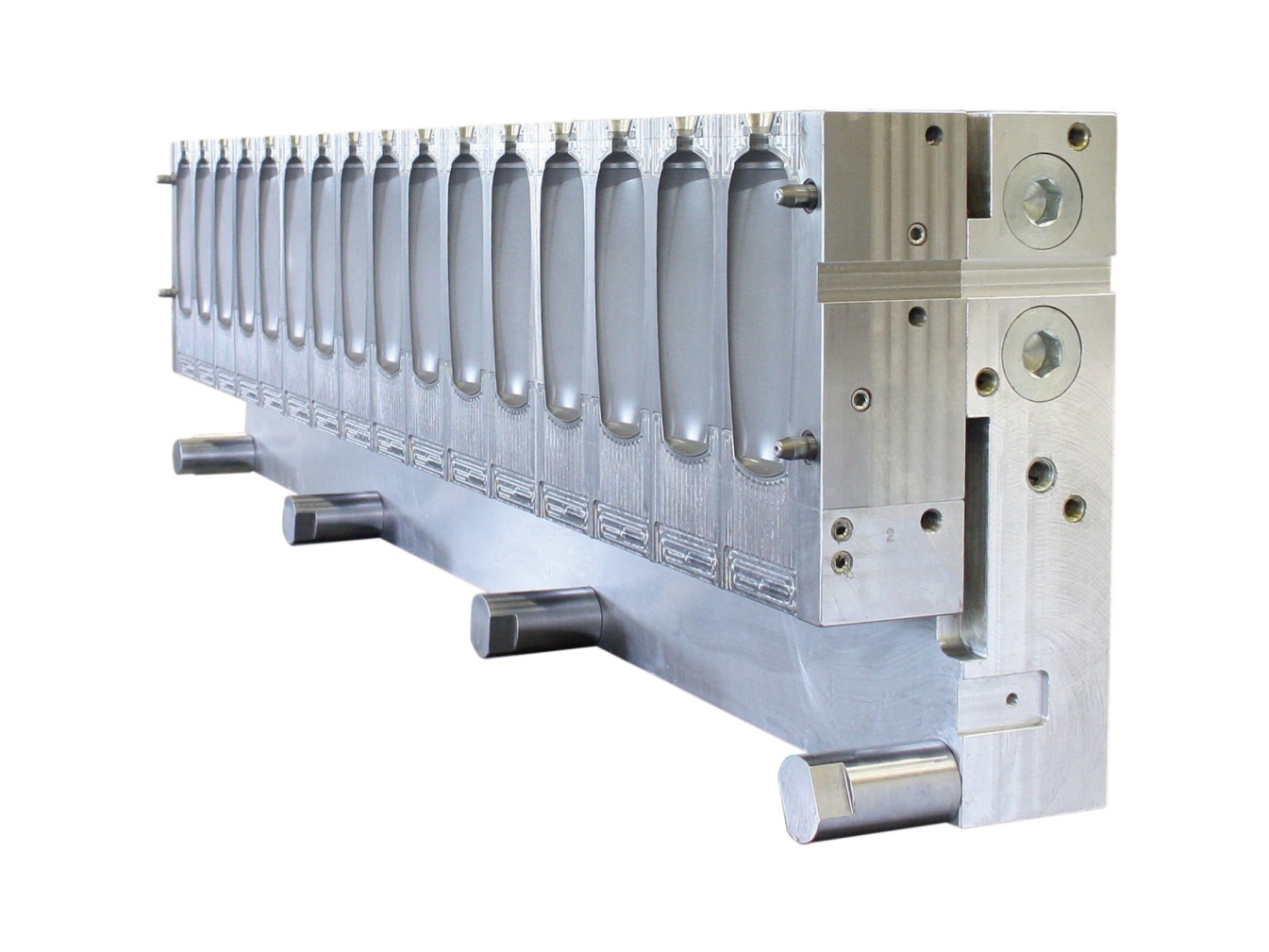 In today’s industrial environment—shaped by energy constraints, EU regulations and supply chain sovereignty—tooling material selection is no longer a purely technical matter. At Matissart, stainless steel molds often outperform aluminum and CuBe in: Industrial performance in 2026 depends on durable, energy-efficient tooling solutions.
 -
Extrusion Blow Moulding in 2026: Between Industrial Sovereignty and Energy Performance

The global industrial landscape in 2026 is shaped by three major dynamics: Within this changing environment, the extrusion blow moulding sector plays a strategic role. A Global Market in Transition Extrusion blow moulding remains essential across sectors: Demand remains strong worldwide, yet expectations are evolving (Improved repeatability, Energy ...
-
2026: Industrial performance, innovation, and sustainability at the heart of today’s challenges
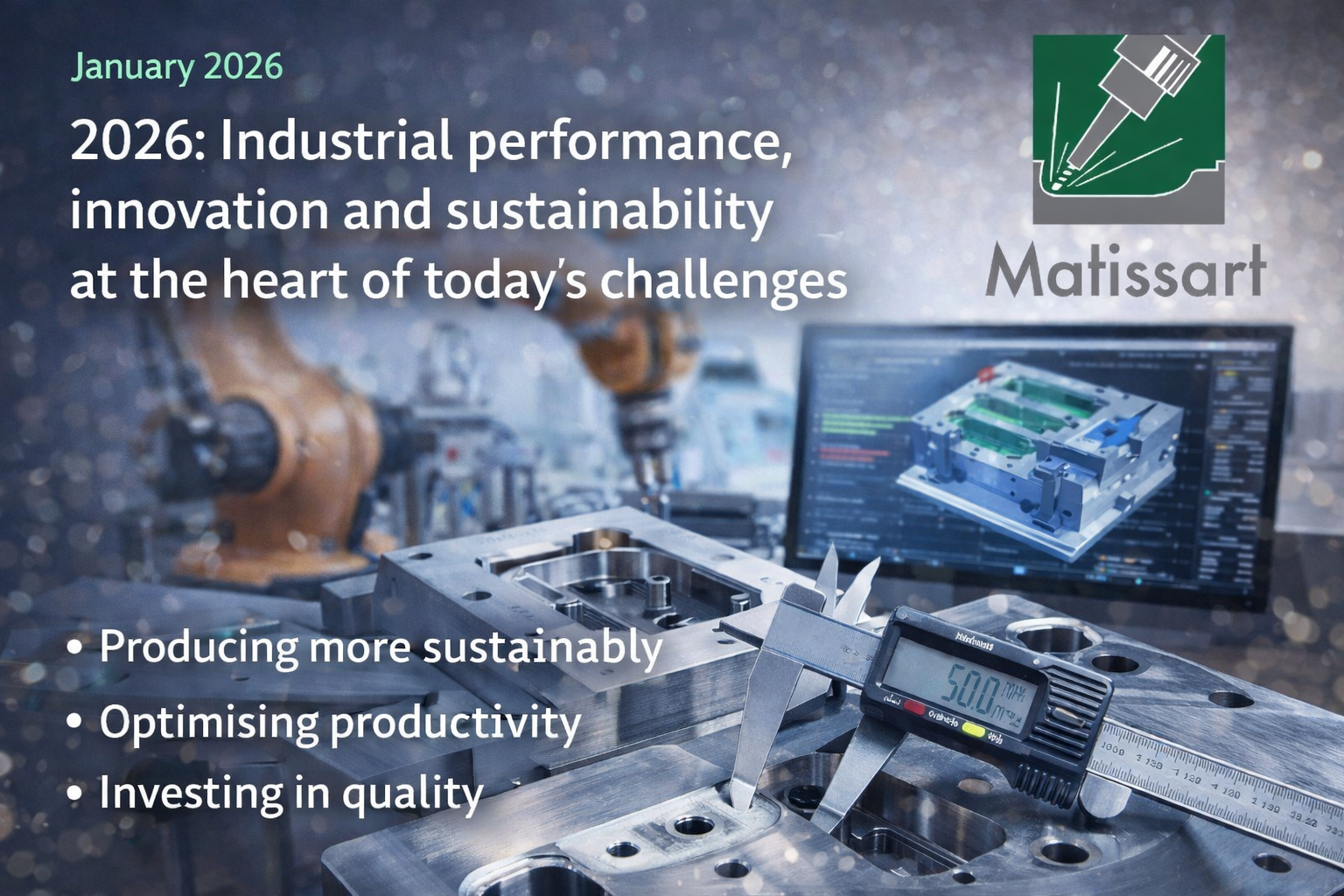
The year 2026 begins in a demanding industrial environment, characterised by the constant pursuit of performance, reliability, and sustainable solutions. In the fields of metallurgy and tooling, these challenges are no longer optional: they determine competitiveness, finished product quality, and investment profitability. At Matissart, this vision has ...
-
Best Wishes for 2026
 As the new year begins, the entire Matissart team would like to extend its best wishes for health, success, and fulfilling projects. The past year has been marked by numerous industrial, technical, and human challenges. Thanks to the trust of our customers, the commitment of our partners, and the expertise of our teams, we have […]
 -
The French Recycling Roadmap Creates Major Opportunities for Extrusion-Blow Molding
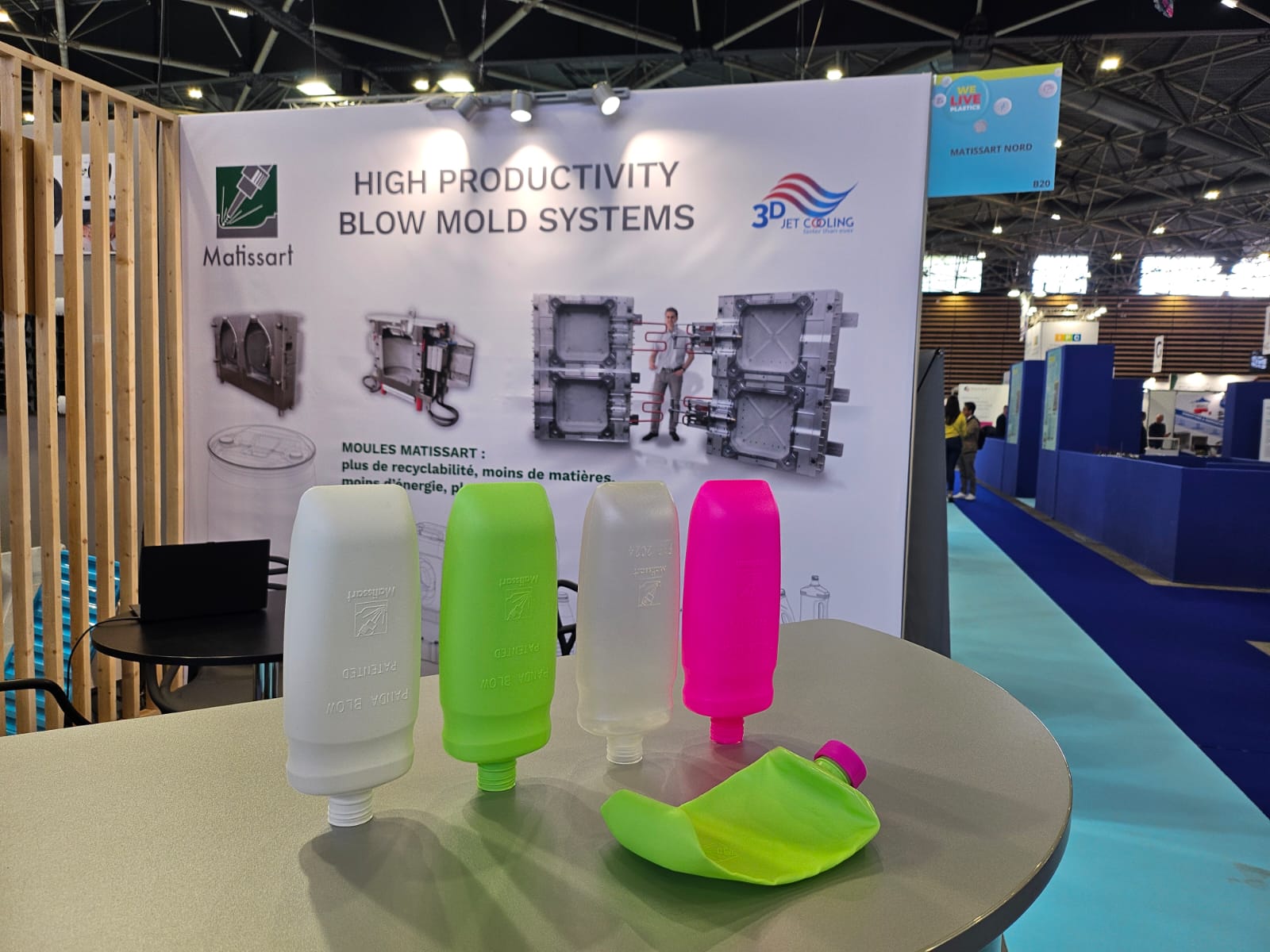
In early 2024, the French government unveiled its new national roadmap on recycling and circular economy, with ambitious targets: For extrusion-blow molding manufacturers, this shift represents not only a change of paradigm but also a strategic opportunity. 1. Market Shift: Recycled Content Becomes a Key Commercial Criterion Brands and retailers will ...
-
Metallurgy: The 2024–2026 Innovations Transforming Industrial Mold Design
Metallurgy has undergone major technological acceleration over the past two years. Advances in materials, digital simulation, and machining processes are opening new possibilities for manufacturers of technical molds. 1. New High-Performance Steels: A Silent Revolution Next-generation metalloplastic steels (modified H13, PM steels – powder metallurgy, ...
-
Thank you for visiting Matissart at K: let’s turn ideas into higher-productivity lines
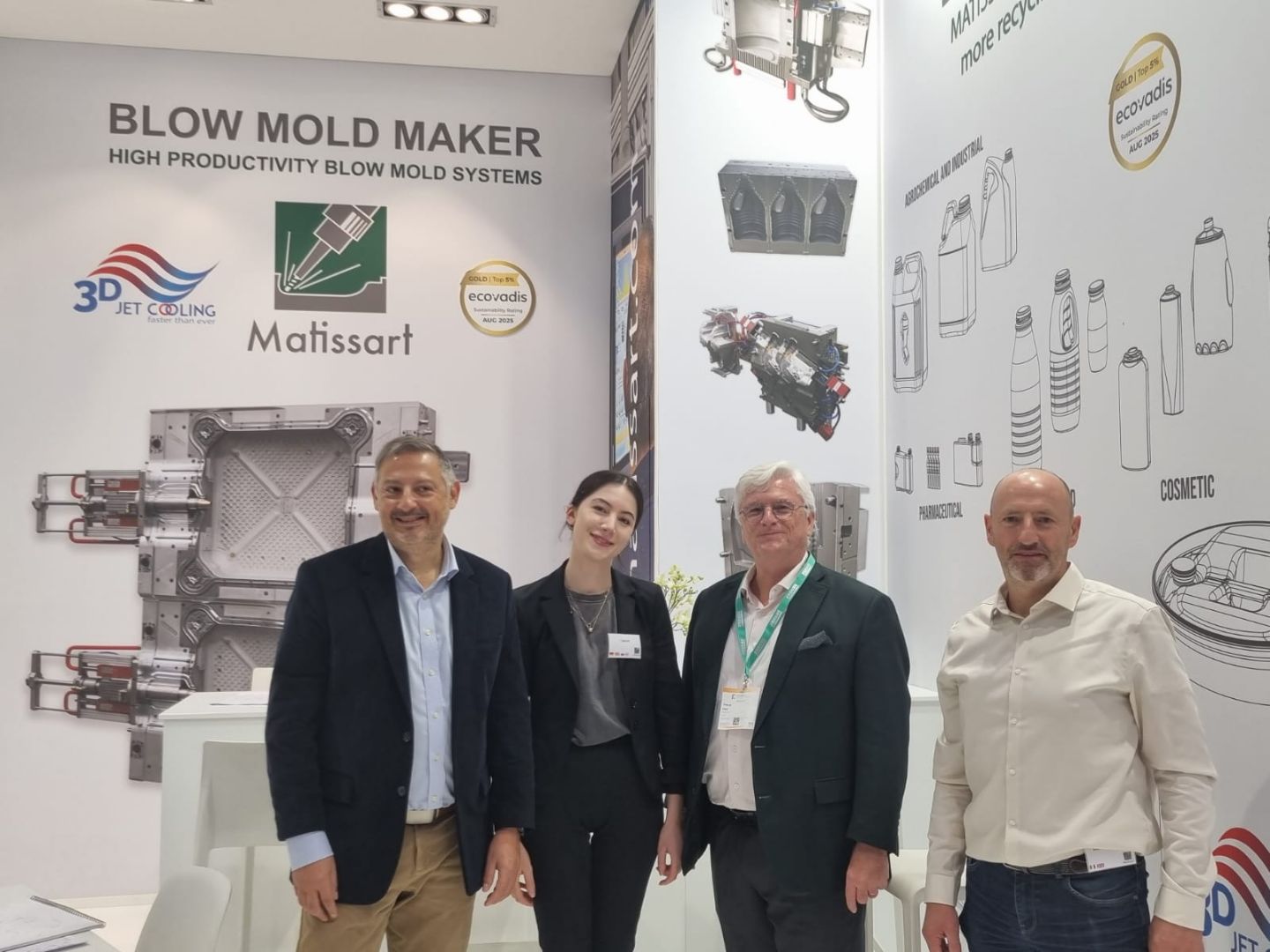
Thank you to customers, prospects and all the curious minds who stopped by our booth at K. Your projects and questions are exactly why we build high-productivity blow mold systems—to help you manufacture faster, with less energy and less material. Why our customers choose Matissart What happens next ? Let’s build what matters: more recyclability, ...
-
Global Risks 2025: Climate Stays in Pole Position — and Why Matissart Is Accelerating
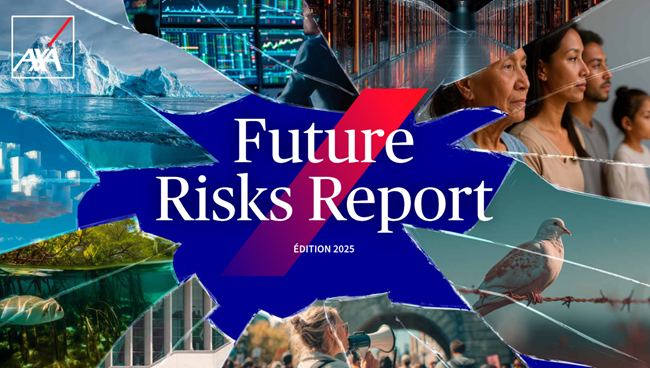
The new Future Risks Report 2025 confirms a world under strain—and a ranking that barely shifts on the essential: climate risk remains #1 for experts, ahead of geopolitical instability and cybersecurity. Despite the “polycrisis,” climate is still the risk multiplier undermining infrastructure, supply chains, and social stability. Key takeaways: ...
