
When a mould can no longer be maintained or reused
An industrial mould is designed for long-term use and may undergo various maintenance, repair, refurbishmentRefurbishmentAn operation aimed at restoring, improving or adapting existing equipment in order to extend its useful life and, where relevant, avoid premature replacement. or adaptation operations during its working life.
However, when it can no longer be used under satisfactory technical conditions, a new stage begins: the recovery of its constituent materials.
For MATISSART, this is the stage at which recyclabilityRecyclabilityThe ability of a product or its constituent materials to be recovered, separated and treated so that they can be reintroduced into a new production cycle; recyclability does not guarantee that actual recycling will occur. takes on its full meaning.
What happens to the main metals and alloys in our moulds
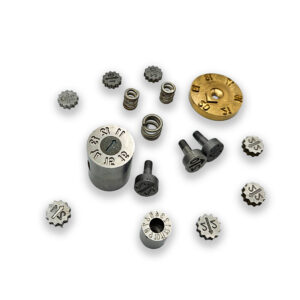
The moulds manufactured by MATISSART consist predominantly of metallic materials for which industrial recycling routes are available.
| Material | End-of-life route |
|---|---|
| Steel | Ferrous metal recycling routes |
| Aluminium | Non-ferrous metal recycling routes |
| Copper | Copper recovery and recycling routes |
| Copper alloys | Specialist recovery routes suited to the type of alloy |
| Copper-beryllium (CuBe) | Specialist recovery streams requiring appropriate identification and separation |
The presence of different metals or residues arising from mould use does not therefore necessarily prevent material recoveryMaterial recoveryThe set of operations used to recover value from an end-of-life material, particularly through preparation, recycling or reintroduction into a new production cycle.. It may, however, determine the preparation required and the recovery route to which the materials must be directed